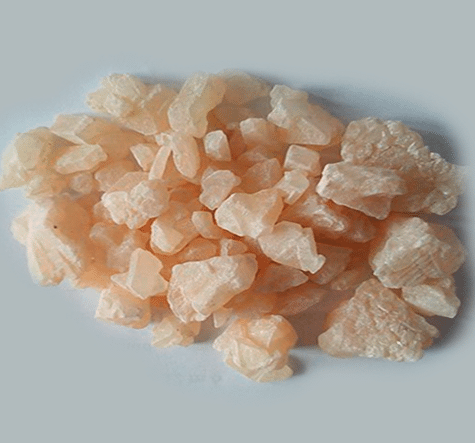
Explore MDMA Crystal in Europe
Explore MDMA Crystal in Europe
MDMA Crystal in Europe : What It Is, What It Contains, Risks and FAQs
MDMA crystal is a crystalline form of 3,4-methylenedioxymethamphetamine (MDMA), a synthetic psychoactive substance commonly associated with the term ecstasy. While MDMA is widely recognized in the form of colourful tablets, the substance can also appear as white, off-white or brownish crystals or crystalline powder.
The European Union Drugs Agency (EUDA) identifies tablets and powders as the predominant forms of MDMA in Europe, while crystal and powdered forms are also documented within the European illicit drug market.
Explore MDMA Crystal in Europe
The word “crystal” describes the physical appearance or chemical form of the material, not a guarantee of purity. An illicit product that appears crystalline may contain MDMA together with impurities or other psychoactive substances.
This distinction is particularly important because European monitoring has found substantial variation in the purity of MDMA powders and continuing concerns about high-strength MDMA products.
This article explains what MDMA crystal is, what it is made of, how it is encountered in Europe, its potential health risks, and answers frequently asked questions. Explore MDMA Crystal in Europe
What Is MDMA Crystal?
MDMA crystal refers to MDMA in a crystalline solid form.
The most common salt form of MDMA is MDMA hydrochloride. EUDA describes this substance as occurring as a white or off-white powder or crystals.
Chemically, MDMA has the molecular formula C₁₁H₁₅NO₂ and a molecular weight of approximately 193.2.
MDMA belongs to the broader phenethylamine family and is chemically related to amphetamines. Its pharmacological effects are different from those of traditional amphetamine-type stimulants, however.
MDMA affects several neurotransmitter systems, particularly serotonin, and is associated with stimulant, emotional and sensory effects.
Crystal versus powder
The terms “MDMA crystal” and “MDMA powder” can sometimes overlap.
MDMA hydrochloride can occur as crystals, and those crystals can be broken down into a powder. EUDA’s European drug-market analysis describes MDMA hydrochloride as a solid that can occur as white or off-white to brown crystals and notes that crystals may be sold directly or processed into powder.
Therefore, “crystal” does not necessarily represent a different drug from MDMA powder.
The important distinction is physical form rather than a fundamentally different active substance. Explore MDMA Crystal in Europe
What Is MDMA Crystal Made Of?
At its simplest chemical level, genuine MDMA crystal consists of MDMA in a crystalline salt form, most commonly MDMA hydrochloride.
However, an illicit product marketed or described as MDMA crystal should not automatically be assumed to be pure MDMA.
MDMA hydrochloride. Explore MDMA Crystal in Europe
MDMA hydrochloride is the most commonly encountered salt form.
Pure MDMA hydrochloride is described as a white or off-white crystalline material.
The crystalline structure does not mean that every illicit sample is chemically pure.
Impurities
Illicitly manufactured MDMA may contain impurities originating from production, processing, storage or other factors.
These impurities can vary considerably between batches.
Other psychoactive substances
Another concern is the presence of unexpected psychoactive substances.
European drug-checking data provide evidence that some products sold as MDMA contain substances in addition to MDMA. In 2025, European drug-checking services analysed 5,857 samples sold as MDMA. MDMA was the only psychoactive substance detected in 85% of samples, while 15% contained at least one additional psychoactive substance. Explore MDMA Crystal in Europe
Synthetic cathinones were among the most frequently detected unexpected substances, with cocaine and ketamine also identified in some samples.
These results do not mean that 15% of all MDMA crystal products contain another drug. Drug-checking samples are not a random representation of the entire European market.
They do demonstrate, however, that illicit MDMA products are not chemically standardized. Explore MDMA Crystal in Europe
What Does MDMA Crystal Look Like?
Pure MDMA hydrochloride is generally described as white or off-white crystals or powder.
Illicit products can vary in appearance, however.
A sample described as MDMA crystal may appear:
- White
- Off-white
- Crystalline
- Powdery
- Slightly brown or discoloured
Visual appearance cannot establish chemical identity or purity.
A similar-looking crystalline substance could contain a different compound, a mixture of substances or impurities.
For that reason, colour and texture should not be treated as a chemical identification method.
Is MDMA Crystal the Same as Ecstasy?
Not exactly in terms of physical form.
MDMA is the chemical substance.
Ecstasy is a common name historically associated with MDMA tablets and other illicit products marketed as containing MDMA.
MDMA can occur in several physical forms, including tablets, powders and crystals.
EUDA reports that tablets and powders remain the predominant forms of MDMA in Europe.
The term “ecstasy” can therefore refer to a product rather than a specific standardized chemical formulation.
MDMA Crystal and the European Drug Market
MDMA remains an established component of Europe’s illicit stimulant market.
EUDA reports that MDMA production occurs within Europe for both domestic consumption and export. Production is concentrated particularly in the Netherlands and Belgium, with Spain becoming increasingly prominent.
In 2024, EU Member States reported approximately 24,000 MDMA seizures, involving about 4.2 tonnes of MDMA powder and 10.7 million tablets.
Seizure figures should not be interpreted as measurements of total consumption. They reflect substances detected and intercepted by law-enforcement authorities.
MDMA crystal and powder purity
European monitoring shows significant variation in MDMA powder purity.
In 2024, the average purity of seized MDMA powders across reporting European countries ranged from 47% to 100%. Half of the reporting countries recorded average purity values between 69% and 87%.
This demonstrates why the label “MDMA crystal” does not automatically communicate a particular concentration or purity.
How Is MDMA Crystal Encountered in Europe?
From a European drug-monitoring perspective, MDMA occurs primarily in tablet and powder forms, with crystalline material also documented.
MDMA has historically been associated with nightlife and entertainment settings in Europe.
Because the user asked about how MDMA is consumed, it is important to distinguish describing documented patterns from providing instructions.
MDMA crystal has been associated with several forms of exposure, but practical instructions, preparation methods, quantities and techniques for taking it are not appropriate to provide.
For a health-information article, the more useful question is why the physical form matters: crystalline products can have unpredictable purity, and their appearance cannot establish their actual chemical composition. Explore MDMA Crystal in Europe
Why Purity Matters
Purity is particularly important when discussing MDMA crystal because the physical appearance of a product can create a misleading impression of chemical quality. Explore MDMA Crystal in Europe
A crystalline appearance does not necessarily mean:
- The product is pure MDMA.
- The product contains no other psychoactive substances.
- The concentration is known.
- The product came from a particular source.
- A different-looking batch will have the same composition.
EUDA’s 2026 data show considerable variation in MDMA powder purity across Europe.
The agency also reports that most MDMA samples submitted to drug-checking services in 2024 and 2025 showed high purity in powder form, which itself creates health concerns because highly concentrated products can increase exposure to the active substance.
Major Health Risks of MDMA Crystal
MDMA can produce serious adverse effects. Risk varies according to factors including the actual composition of the product, concentration, individual susceptibility, environmental conditions and exposure to other substances.
Hyperthermia
One of the most serious acute risks associated with MDMA is hyperthermia, meaning dangerously elevated body temperature.
MDMA can interfere with the body’s ability to regulate temperature. Hot or crowded environments and intense physical activity can make this risk more significant.
Severe hyperthermia can become a medical emergency.
Cardiovascular effects
MDMA can affect cardiovascular function, including heart rate and blood pressure.
Serious cardiovascular complications can occur, with additional concern for people who have underlying heart conditions.
Electrolyte disturbances
MDMA can interfere with fluid and electrolyte regulation.
One serious complication is hyponatremia, in which the sodium concentration in the blood becomes dangerously low.
EUDA identifies both dehydration and hyponatremia among important health concerns associated with MDMA.
Psychological effects
MDMA can affect mood and psychological functioning.
Potential adverse effects include:
- Anxiety
- Agitation
- Confusion
- Panic
- Psychological distress
- Mood changes
These effects can become less predictable when other psychoactive substances are also involved.
Serotonin toxicity
MDMA substantially affects serotonin signalling.
Exposure involving other substances that also influence serotonin can increase the possibility of serotonin toxicity, a potentially serious medical condition. Explore MDMA Crystal in Europe
Acute poisoning
MDMA has been associated with acute poisoning and deaths in Europe.
EUDA’s 2026 European Drug Report continues to identify acute poisonings and deaths as significant health concerns associated with MDMA.
Long-Term Effects of MDMA
Research into long-term MDMA effects is complicated by differences in patterns of exposure and the use of other substances.
EUDA reports that long-term or excessive MDMA use has been associated with cognitive impairment, depression and anxiety.
These associations do not mean that every person exposed to MDMA will experience these outcomes.
However, repeated problematic substance use can interfere with everyday life, including:
- Sleep
- Mood
- Concentration
- Relationships
- Education
- Employment
- General wellbeing
MDMA Crystal and Polysubstance Exposure
Polysubstance use means exposure to more than one psychoactive substance.
EUDA reports that polysubstance use remains common among people experiencing MDMA-related medical presentations. Alcohol was reported as being used alongside MDMA in 51% of cases where relevant information was available in 2024. Cocaine, cannabis and amphetamine were also commonly reported.
Combining substances can make their overall effects more difficult to predict.
Different drugs can affect:
- Heart rate
- Blood pressure
- Temperature
- Consciousness
- Mood
- Serotonin activity
This can complicate both the medical presentation and treatment of an adverse reaction.
Unexpected Substances in MDMA Crystal
The presence of unexpected substances is one reason illicit MDMA products are difficult to predict.
In 2025, European drug-checking services found at least one additional psychoactive substance in 15% of samples sold as MDMA. Synthetic cathinones were the most frequently detected additional substances in the services reporting data for both 2024 and 2025.
Again, these findings should not be interpreted as proof that a particular MDMA crystal sample contains another drug.
They demonstrate a broader principle: the name given to an illicit product does not guarantee its chemical composition.
Can You Identify MDMA Crystal by Appearance?
No.
A white or off-white crystalline substance may resemble MDMA, but appearance alone cannot establish its chemical identity.
Likewise, the following characteristics cannot reliably determine purity:
- Colour
- Crystal size
- Texture
- Shape
- Smell
- Packaging
- Informal product name
Chemical analysis is required to establish what substances are present.
Warning Signs of Serious MDMA Toxicity. Explore MDMA Crystal in Europe
A serious MDMA-related medical emergency can involve:
- Severe confusion
- Seizures
- Collapse
- Loss of consciousness
- Severe overheating
- Serious breathing difficulties
- Difficulty waking
- Rapidly worsening symptoms
These symptoms require urgent medical attention.
If someone becomes seriously unwell following suspected drug exposure, emergency medical services should be contacted. Accurate information about possible substance exposure can help healthcare professionals assess the situation. Explore MDMA Crystal in Europe
MDMA Crystal in European Drug Monitoring
European monitoring provides a useful picture of how MDMA is changing.
In 2024, European countries reported:
- Approximately 24,000 MDMA seizures
- Around 4.2 tonnes of MDMA powder seized
- Approximately 10.7 million MDMA tablets seized
- Average seized powder purity ranging from 47% to 100% between reporting countries
These numbers show that MDMA remains an important European drug-market issue.
At the same time, seizure data should not be interpreted as a direct measurement of how much MDMA is consumed.
Frequently Asked Questions About MDMA Crystal
What is MDMA crystal?
MDMA crystal is a crystalline form of MDMA, most commonly encountered as MDMA hydrochloride. It is generally described as a white or off-white crystalline material.
What is MDMA crystal made of?
The intended active substance is MDMA, commonly present as MDMA hydrochloride. An illicit sample can also contain impurities or other substances.
Is MDMA crystal the same as MDMA powder?
They can refer to the same chemical substance in different physical forms. MDMA hydrochloride can occur as crystals and can also be present as powder.
Is MDMA crystal the same as ecstasy?
They can contain the same active substance, but ecstasy traditionally refers to MDMA tablets, whereas MDMA crystal refers to a crystalline form.
What colour is MDMA crystal?
Pure MDMA hydrochloride is generally described as white or off-white crystals. Illicit products can vary in appearance.
Does crystal-like appearance prove that a substance is MDMA?
No. Appearance cannot reliably establish chemical identity or purity.
Is MDMA crystal pure?
Not necessarily. European drug-monitoring data show substantial variation in MDMA powder purity, and some samples sold as MDMA contain additional psychoactive substances. Explore MDMA Crystal in Europe
Can MDMA crystal contain other drugs?
Yes. European drug-checking services have detected additional psychoactive substances in some products sold as MDMA.
Is MDMA crystal stronger than ecstasy tablets?
There is no universal answer. Strength depends on the actual concentration and composition of a particular product. European data show considerable variation in both powder purity and tablet MDMA content.
Can MDMA cause overheating?
Yes. Hyperthermia is one of the most serious acute risks associated with MDMA.
Can MDMA affect the heart?
Yes. MDMA can affect heart rate and blood pressure and has been associated with serious cardiovascular complications.
Can MDMA cause dehydration?
MDMA can contribute to dehydration and disturbances in fluid balance. Dangerous electrolyte disturbances, including hyponatremia, are also recognized risks.
Can MDMA affect mental health?
Yes. Anxiety, agitation and psychological distress can occur, while long-term or excessive use has been associated with depression, anxiety and cognitive problems.
Can MDMA crystal cause an overdose?
Yes. Severe MDMA toxicity can produce a medical emergency and can be fatal.
Is MDMA legal in Europe?
MDMA is a controlled illicit substance across European jurisdictions, although the specific legal framework and penalties differ between countries.
Why does MDMA crystal vary in purity?
Illicit production is not standardized, and products can differ between batches. European monitoring demonstrates substantial variation in the purity of MDMA powders.
How is MDMA crystal different from MDMA tablets?
The principal difference is physical form. Tablets contain MDMA together with materials used to form the tablet, while crystal is a crystalline solid form of the substance. Both can have unpredictable composition when obtained through illicit markets.
When is emergency medical help needed?
Emergency assistance is necessary when someone develops severe confusion, seizures, collapse, loss of consciousness, severe overheating, serious breathing difficulties, difficulty waking or rapidly worsening symptoms.
Conclusion
MDMA crystal is a crystalline form of MDMA, most commonly encountered as MDMA hydrochloride. Pure MDMA hydrochloride is generally described as a white or off-white crystalline substance, but the appearance of an illicit product does not prove its identity or purity.
European monitoring shows that MDMA remains an important part of the European illicit drug market. Tablets and powders are the predominant forms, while crystalline material is also encountered. MDMA powder purity varies considerably between European countries, demonstrating that products are not standardized.
The major health risks associated with MDMA include hyperthermia, cardiovascular complications, electrolyte disturbances, psychological distress, serotonin toxicity and acute poisoning. Long-term or excessive exposure has also been associated with cognitive and mental-health problems.
European drug-checking data further demonstrate that products sold as MDMA can sometimes contain additional psychoactive substances. Explore MDMA Crystal in Europe
The key lesson is therefore simple: the appearance or name of an illicit crystalline product cannot establish what it contains.
For reliable MDMA information, laboratory evidence and public-health monitoring are considerably more informative than assumptions based on colour, texture or appearance.
Key Facts About MDMA Crystal
- MDMA is a synthetic psychoactive substance.
- MDMA hydrochloride commonly occurs as white or off-white crystals or powder.
- MDMA crystal and MDMA powder can represent different physical forms of the same substance.
- Appearance does not establish chemical identity or purity.
- European MDMA powder purity varies substantially.
- Some products sold as MDMA contain additional psychoactive substances.
- MDMA is associated with hyperthermia, cardiovascular effects and electrolyte disturbances.
- Polysubstance exposure can increase uncertainty and risk.
- Severe overheating, seizures, collapse, loss of consciousness or serious breathing difficulties require emergency medical attention.
Primary Sources
This article is based primarily on current information from the European Union Drugs Agency (EUDA), including its 2026 European Drug Report, MDMA drug profile and European MDMA market analysis. Explore MDMA Crystal in Europe


Ranga (store manager) –
Great prices, Quality was better than expected. Will be ordering more
Adam Lacey (store manager) –
How can I order more in Bulk. This is the best i ever tried