Explore MDMA Ecstasy Pills in Europe
Explore MDMA Ecstasy Pills in Europe : What They Are Made Of, Risks, Effects and FAQs
MDMA, commonly associated with the term ecstasy, is a synthetic psychoactive substance that has been present in European nightlife and recreational drug markets for decades. It is chemically related to amphetamines but produces a somewhat different combination of stimulant and emotional effects.
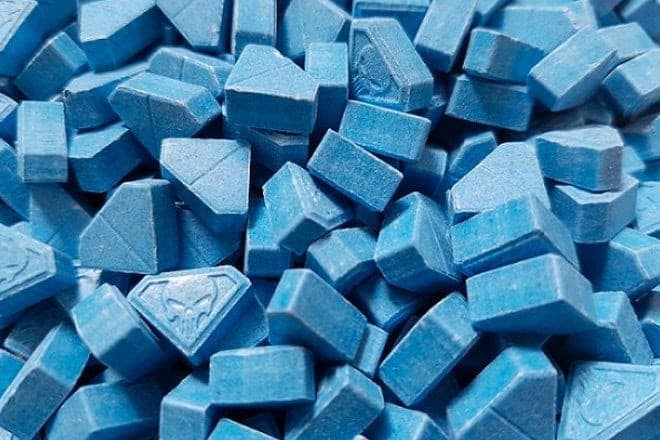
Ecstasy is particularly associated with tablets containing MDMA. These tablets are often manufactured in distinctive colours, shapes and designs, sometimes featuring recognizable logos or symbols. However, the appearance of an ecstasy pill does not establish what chemicals it contains or how much MDMA is present.
Explore MDMA Ecstasy Pills in Europe
According to the European Union Drugs Agency (EUDA), tablets and powders remain the predominant forms of MDMA in Europe. Current European monitoring also shows that MDMA products can vary considerably in strength and composition, creating unpredictable health risks.
This article explains what MDMA ecstasy pills are, what they may contain, how they are encountered in Europe, their potential health risks, and answers common questions about them.
Explore MDMA Ecstasy Pills in Europe
What Is MDMA Ecstasy?
MDMA stands for 3,4-methylenedioxymethamphetamine.
It is a synthetic psychoactive substance that affects several neurotransmitter systems in the brain, particularly serotonin. It also influences dopamine and other signalling systems.
MDMA is associated with effects including altered mood, increased sensory awareness, stimulation and changes in emotional experience. The terms empathogen and entactogen are sometimes used to describe its characteristic social and emotional effects.
The word ecstasy originally referred primarily to MDMA tablets, but the term has become broader over time and can sometimes refer to tablets or other illicit products that contain substances other than MDMA.
That distinction is important because an illicit pill labelled or described as “ecstasy” is not necessarily a standardized MDMA product. Explore MDMA Ecstasy Pills in Europe
What Are Ecstasy Pills Made Of?
A genuine MDMA tablet contains MDMA as its intended psychoactive ingredient, but an illicit tablet is usually not composed exclusively of pure MDMA.
MDMA
The active substance is generally MDMA, often present as MDMA hydrochloride.
EUDA describes MDMA hydrochloride as a white or off-white powder or crystalline material. When manufactured into tablets, the finished product can have a wide variety of colours and designs.
Tablet excipients
Like many compressed tablets, ecstasy tablets can contain inactive materials that provide structure and help form the tablet.
These may include substances such as:
- Fillers
- Binders
- Lubricants
- Disintegrants
- Colouring agents
The exact formulation can vary considerably between illicit products.
Other psychoactive substances
A particularly important concern is that some products sold as MDMA or ecstasy can contain additional psychoactive substances.
European drug-checking data provide evidence of this variability. In 2025, 5,857 samples sold as MDMA were analysed by 14 drug-checking services in eight EU Member States. MDMA was the only psychoactive substance detected in 85% of the samples, while 15% contained at least one other psychoactive substance.
Synthetic cathinones, cocaine and ketamine were among the unexpected substances detected.
These figures should not be interpreted as representative of every ecstasy pill in Europe because drug-checking samples are not a random sample of the entire illicit market. They nevertheless demonstrate that illicit MDMA products are not chemically standardized. Explore MDMA Ecstasy Pills in Europe
Why Do Ecstasy Pills Have Different Logos and Colours?
One of the most recognizable characteristics of ecstasy tablets is their appearance.
EUDA reports that MDMA tablets are commonly available in numerous designs and often feature colourful reproductions of brand logos.
The designs can include:
- Symbols
- Commercial-style logos
- Characters
- Letters
- Geometric shapes
- Different colours
- Distinctive tablet shapes
However, the design is not a chemical specification.
Two tablets with similar appearances do not necessarily contain the same substances or the same concentration of MDMA.
Likewise, a logo does not prove who produced a tablet or where it was manufactured.
Can the Appearance of an Ecstasy Pill Prove What It Contains?
No.
A tablet’s:
- Colour
- Logo
- Shape
- Size
- Texture
- Imprinted number
- Informal name
cannot reliably establish its chemical composition.
This is particularly important because online discussions frequently attach specific names or claimed strengths to particular pill designs.
A photograph can establish what a tablet looks like, but it cannot establish its chemical composition.
Only appropriate chemical analysis can determine what substances are actually present.
How Strong Are Ecstasy Pills in Europe? Explore MDMA Ecstasy Pills in Europe
European monitoring shows that MDMA tablets remain considerably stronger than historical products.
EUDA reports that the average MDMA content of retail ecstasy tablets increased from approximately 84 milligrams per tablet in 2011 to about 170 milligrams in 2019, remaining at relatively high levels since then.
The agency also reports that tablets containing 300 milligrams or more continue to be found in Europe.
This does not mean that every ecstasy tablet is extremely strong. Instead, it demonstrates the wide variation that exists across the European illicit market.Explore MDMA Ecstasy Pills in Europe
High-strength products are an important public-health concern because people may not accurately know the amount of MDMA contained in an individual tablet.
How Is MDMA Ecstasy Encountered in Europe?
From a European drug-monitoring perspective, MDMA is primarily encountered as tablets and powders.
EUDA reports that these remain the predominant forms, although other forms—including certain edible products and gelatine-based products—have also been identified.
MDMA use in Europe has historically been associated with episodic consumption in nightlife and entertainment settings.
This article does not provide instructions for taking MDMA, preparation methods, doses or techniques.
For health education, the more important issue is understanding that exposure to an illicit MDMA product can involve considerable uncertainty regarding its composition and strength.
MDMA Production and the European Market
Europe is an important global production region for MDMA.
EUDA reports that production is concentrated particularly in the Netherlands and Belgium, with Spain becoming increasingly prominent. MDMA produced in Europe is associated with both European consumption and international markets.
In 2024, four EU Member States reported dismantling 59 MDMA laboratories. The Netherlands accounted for 47 of those reported laboratories, while Spain, Belgium and Germany accounted for the remainder.
These figures concern law-enforcement detections and should not be interpreted as a measurement of total MDMA production.
MDMA Tablet Strength Can Vary Significantly
The variation between ecstasy tablets is one of the most important facts for understanding MDMA-related risks.
In 2024, MDMA tablets seized in European countries reporting data contained average amounts ranging from 148 to 232 milligrams per tablet. These are national averages and do not describe every tablet.
Some individual tablets have contained substantially higher amounts.
EUDA continues to report the availability of tablets containing 300 milligrams or more of MDMA.
Consequently, a pill’s physical appearance cannot be used to infer its strength. Explore MDMA Ecstasy Pills in Europe
Major Health Risks of MDMA Ecstasy Pills
MDMA can produce serious adverse effects, including potentially life-threatening medical emergencies.
The risk can vary according to factors such as the actual composition of the product, its strength, individual susceptibility, environmental conditions and exposure to other substances.
Hyperthermia
One of the most serious acute risks associated with MDMA is hyperthermia, or dangerously elevated body temperature.
MDMA can interfere with normal temperature regulation.
The risk can become particularly important in hot, crowded environments and during strenuous physical activity. EUDA identifies hyperthermia as an important MDMA-related health concern.
Severe hyperthermia can damage organs and become life-threatening.
Cardiovascular effects
MDMA can affect cardiovascular function, including heart rate and blood pressure.
Serious cardiovascular complications can occur, particularly in vulnerable individuals.
People with existing cardiovascular problems may face additional risks.
Electrolyte disturbances
MDMA can interfere with fluid and electrolyte balance.
A particularly serious complication is hyponatremia, meaning an abnormally low sodium concentration in the blood.
Both dehydration and dangerous disturbances in water balance can occur in association with MDMA exposure. Explore MDMA Ecstasy Pills in Europe
Psychological effects
MDMA can produce psychological effects that vary substantially between individuals.
Potential adverse effects include:
- Anxiety
- Agitation
- Panic
- Confusion
- Psychological distress
- Mood changes
Unexpected substances in an ecstasy tablet can make these effects even less predictable.
Serotonin toxicity
MDMA has a strong effect on serotonin signalling.
Exposure involving other substances that also influence serotonin can increase the risk of serotonin toxicity, which can be medically serious.
Acute poisoning
MDMA has been associated with acute poisonings and deaths in Europe.
EUDA’s 2026 report states that MDMA remains associated with acute poisoning and deaths, although MDMA is less frequently cited as a reason for entering drug treatment than some other drugs.
Long-Term Risks Associated With MDMA
Research into long-term MDMA effects is complicated by differences in frequency of use, individual characteristics and exposure to other substances.
EUDA reports associations between long-term or excessive MDMA use and effects including cognitive impairment, depression and anxiety.
Repeated problematic substance use can also interfere with everyday life, including:
- Sleep
- Mood
- Concentration
- Relationships
- Education
- Employment
- General wellbeing
These outcomes are not inevitable for every person exposed to MDMA, and research findings should be interpreted within their limitations.
MDMA and Polysubstance Exposure
Another significant concern is polysubstance use, meaning exposure to more than one psychoactive substance.
EUDA identifies polysubstance use as common in relation to MDMA. Alcohol, cocaine, cannabis and amphetamine are among substances reported alongside MDMA in European medical data.
Combining psychoactive substances can make their overall effects more difficult to predict. Explore MDMA Ecstasy Pills in Europe
Different substances can influence:
- Heart rate
- Blood pressure
- Temperature regulation
- Consciousness
- Mood
- Serotonin activity
This can complicate both the medical presentation and treatment of an adverse reaction.
Unexpected Substances in Ecstasy Pills
An ecstasy tablet may not contain exactly what its name or appearance suggests.
EUDA’s 2025 drug-checking data found that 15% of tested samples sold as MDMA contained at least one additional psychoactive substance. Synthetic cathinones were among the most frequently detected unexpected substances.
Again, these results should not be interpreted as saying that 15% of all ecstasy pills contain another drug.
Instead, they demonstrate why tablets should not be treated like standardized pharmaceutical products. Explore MDMA Ecstasy Pills in Europe
Warning Signs of an MDMA Medical Emergency
Serious MDMA toxicity can involve symptoms such as:
- Severe confusion
- Seizures
- Collapse
- Loss of consciousness
- Severe overheating
- Serious breathing difficulties
- Difficulty waking
- Rapidly worsening symptoms
These symptoms require urgent medical attention.
If someone becomes seriously unwell following suspected drug exposure, emergency medical services should be contacted. Healthcare professionals should be given accurate information about possible substance exposure when known.
MDMA Ecstasy Pills and European Drug Checking
Some European countries operate drug-checking services that chemically analyse submitted drug samples.
These services have provided useful evidence about the composition and strength of MDMA products.
According to EUDA, 5,857 samples sold as MDMA were tested by European drug-checking services during 2025. MDMA was the sole psychoactive substance detected in 85% of those samples, while 15% contained at least one additional psychoactive substance.
Drug-checking results also indicate that many MDMA products contain high concentrations of the active substance. Explore MDMA Ecstasy Pills in Europe
This reinforces an important point: the physical appearance of an ecstasy tablet does not reliably communicate its chemical composition or strength.
Frequently Asked Questions About MDMA Ecstasy Pills
What is an MDMA ecstasy pill?
An MDMA ecstasy pill is an illicit tablet intended to contain MDMA. The term “ecstasy” can also be used more broadly for illicit tablets that may contain other substances.
What is MDMA made of?
MDMA is a synthetic chemical compound. Its molecular formula is C₁₁H₁₅NO₂, and MDMA hydrochloride is a common salt form.
An illicit ecstasy tablet may also contain inactive tablet ingredients or other psychoactive substances.
What do ecstasy pills look like?
They can vary considerably in colour, shape, size and design. EUDA reports that many tablets feature colourful reproductions of logos or other designs.
Does the logo tell you what is inside?
No.
A logo or design does not establish the chemical composition, purity or strength of an illicit tablet.
Are all ecstasy pills the same?
No.
Different tablets can contain different amounts of MDMA and may contain different additional substances.
Are high-strength ecstasy pills found in Europe?
Yes. EUDA reports that tablets containing 300 milligrams or more of MDMA continue to be available in Europe.
Can an ecstasy pill contain another drug?
Yes. European drug-checking programmes have detected additional psychoactive substances in some products sold as MDMA.
Can MDMA cause overheating?
Yes. Hyperthermia is one of the major acute health risks associated with MDMA.
Can MDMA affect the heart?
Yes. MDMA can affect cardiovascular function and has been associated with serious cardiac complications.
Can MDMA cause anxiety?
Yes. Anxiety, agitation and psychological distress can occur during or after MDMA exposure.
Can MDMA cause dehydration?
MDMA can contribute to dehydration and disturbances in fluid balance. Dangerous electrolyte disturbances, including hyponatremia, are also recognized risks.
Can MDMA be fatal? Explore MDMA Ecstasy Pills in Europe
Yes. Although severe outcomes are not inevitable, MDMA has been associated with acute poisoning and deaths in Europe.
Is ecstasy addictive?
MDMA can be associated with problematic patterns of use. However, it is less frequently cited as a primary reason for drug treatment in Europe than several other substances.
How long does MDMA stay in the body?
The time MDMA and its metabolites remain detectable depends on factors including the biological sample, testing method, individual metabolism and the amount of exposure. Detection windows should not be assumed from a single general figure.
Can you identify an ecstasy pill from a photograph?
No. A photograph can show its appearance but cannot establish the tablet’s chemical composition or strength.
Why are some ecstasy pills extremely strong?
European monitoring has documented substantial variation in MDMA tablet content. The reasons can involve changes in illicit production, manufacturing practices and market conditions.
Conclusion
MDMA ecstasy pills are illicit products that can vary substantially in their appearance, MDMA content and overall chemical composition.
MDMA itself is a synthetic psychoactive substance that primarily affects serotonin and also influences other neurotransmitter systems. Ecstasy tablets may contain MDMA together with inactive tablet ingredients, and some products sold as MDMA have been found to contain additional psychoactive substances.
European monitoring shows that tablets and powders remain the predominant forms of MDMA, while exceptionally high-strength tablets continue to appear on the market.
The major health risks include hyperthermia, cardiovascular complications, electrolyte disturbances, psychological distress, serotonin toxicity and acute poisoning. Longer-term or excessive exposure has also been associated with cognitive and mental-health problems.
Perhaps the most important point for anyone researching ecstasy is that a pill’s colour, logo, shape or informal name cannot establish its contents.
MDMA products are not standardized pharmaceutical products. Their strength and composition can vary, and European drug-checking data demonstrate that unexpected psychoactive substances can sometimes be present.
For reliable information, MDMA should therefore be understood through laboratory evidence and public-health monitoring rather than through assumptions based solely on the appearance or name of a particular pill.
Key Facts About MDMA Ecstasy Pills
- MDMA is a synthetic psychoactive substance.
- Ecstasy commonly refers to illicit MDMA tablets.
- Tablets can have many different colours, shapes and logos.
- Appearance does not establish chemical composition.
- Tablets and powders remain the predominant European forms of MDMA.
- MDMA tablet strength varies considerably.
- High-strength tablets containing 300 milligrams or more continue to be reported in Europe.
- Some products sold as MDMA contain additional psychoactive substances.
- Major risks include hyperthermia, cardiovascular complications, electrolyte disturbances and acute poisoning.
- Severe confusion, seizures, collapse, loss of consciousness, severe overheating or serious breathing difficulties require emergency medical attention.
Primary Sources
This article is based primarily on current information from the European Union Drugs Agency (EUDA), including its 2026 European Drug Report, MDMA drug profile and European MDMA market analysis. Explore MDMA Ecstasy Pills in Europe


Micheal (store manager) –
Why was this so easy to get. Definitly recommend. Best option available